
Water damage in a secondary residence: mistakes to avoid
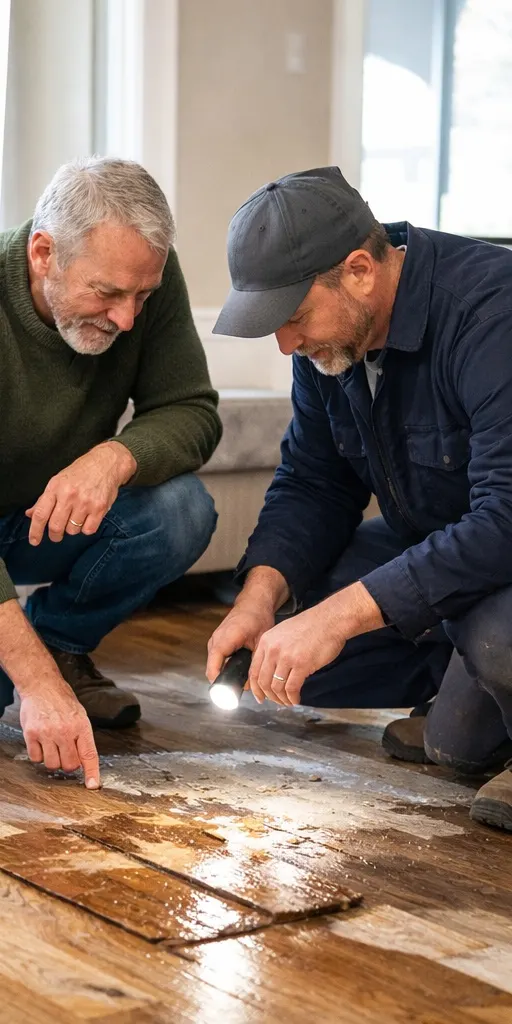
Water damage in a secondary residence can quickly lead to decisions made under pressure. Some mistakes can have major consequences on costs, timelines and the quality of the work. The greatest risk is often not only the loss itself, but the way the situation is handled afterward.
Mistake #1: acting too quickly
Starting work without an overall view can lead to interventions that are unnecessary, poorly coordinated or more expensive than they need to be.
Mistake #2: lack of supervision
Without being on site, it becomes difficult to validate the real condition of the property, the quality of the interventions and the progress of the file.
Mistake #3: too many parties without coordination
Insurer, specialized companies, plumber and contractor may all become involved quickly. Without structure, their actions may overlap or create confusion.
Mistake #4: not structuring decisions
A loss usually follows a sequence: emergency, securing the property, documentation, assessment and repairs. A structured approach helps reduce omissions and clarifies the choices ahead.
A safer approach
Independent coordination helps frame decisions, improve visibility and avoid some costly mistakes. The goal is not to slow the process down, but to control it more effectively.
Important: La Griffe Résidentielle acts as an administrative and coordination relay, without replacing the decisions of the client or the professionals involved.
See also
FAQ
Why is water damage more delicate in a secondary residence?
Because the owner is not always on site to supervise, document and coordinate the interventions quickly.
Why avoid rushed decisions?
Because acting without an overall view can create unnecessary costs or poorly coordinated interventions.
What is the value of independent coordination?
It helps clarify options, follow the involved parties and frame decisions in the owner’s best interest.
Would you like to better protect your secondary residence after water damage?