
How to verify a secondary residence from a distance
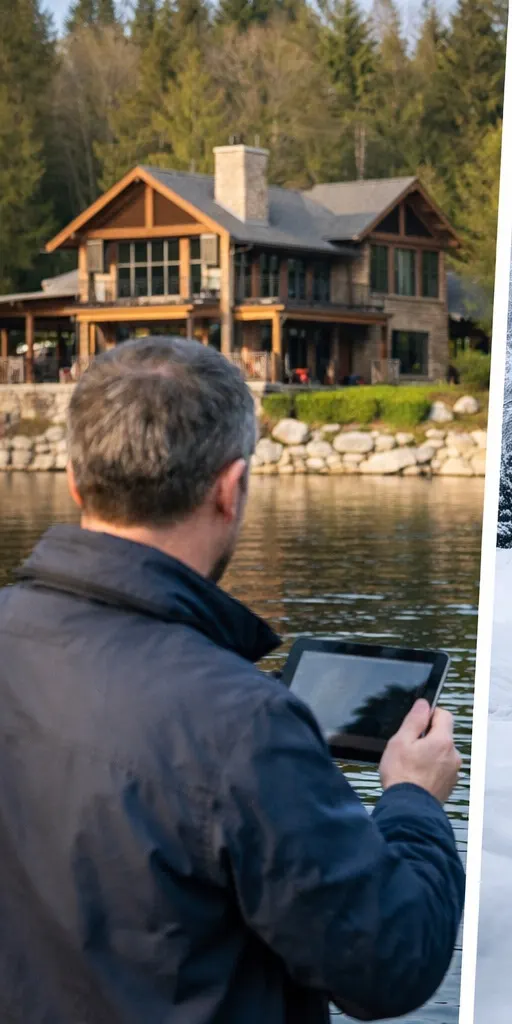
When you are not on site often, verifying a secondary residence from a distance requires a clear method. Without structure, it becomes easy to miss a leak, a heating issue, a roof problem or a simple maintenance oversight that later becomes costly.
1. Put regular checks in place
Periodic inspections help identify signs of humidity, heating issues, access problems, security concerns and outdoor maintenance needs. A documented visit is often far more reassuring than an occasional glance.
2. Do not rely only on smart devices
Thermostats, cameras and remote tools can help, but they do not replace a human presence. A smell of moisture, unusual snow accumulation or a visual issue around the property may not be captured remotely.
3. Keep a clear history of follow-up
Photos, notes, reminders and reports help you know what was checked, when, and whether any intervention is needed. This traceability is useful for owners and can also support insurance follow-up.
4. Coordinate quickly when an issue is found
When a problem is detected, you often need to contact a provider quickly, arrange access or confirm an intervention. Clear coordination significantly reduces the mental load associated with distance.
See also
FAQ
How often should a secondary residence be checked?
The frequency depends on the season, occupancy and your insurer’s requirements. Winter usually requires more frequent visits.
Is a camera enough to monitor a home?
No. Remote tools can help, but they do not replace documented human checks.
Why document visits?
Reports, notes and photos create a clear history that can help the owner and may also support insurance follow-up.
Would you like a more structured way to verify your secondary residence from a distance?